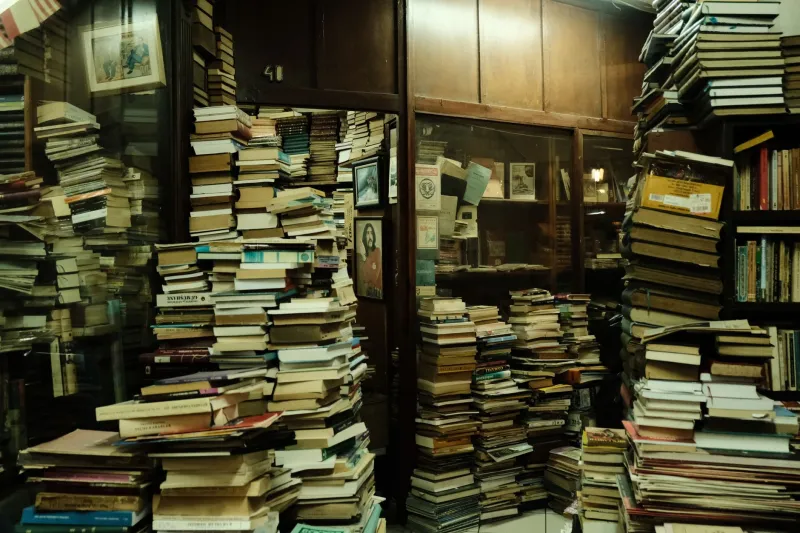
Laminated Masterpieces: The Quiet Art of the British Shop Window
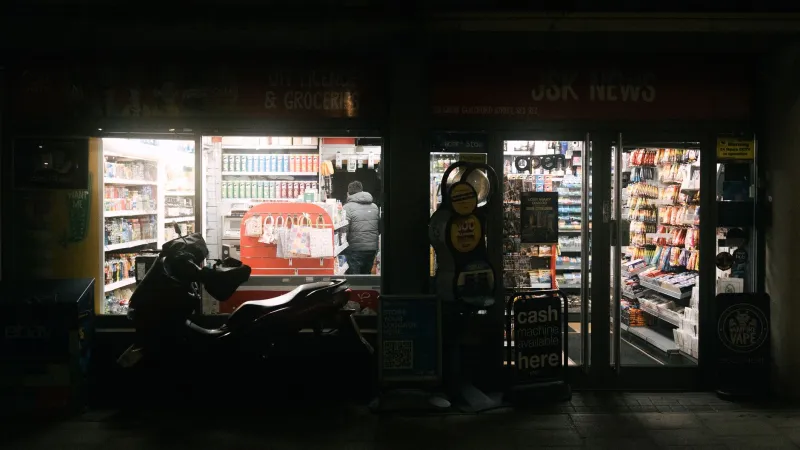
There is a particular kind of British gallery that never advertises, never charges admission and is almost always closed by 6pm. It has no curator in a black turtleneck, no discreet lighting and no gift shop. It does, however, have a handwritten sign about closing early for a dental appointment, a tray of slightly optimistic tomatoes and a raffle for the local hospice. It is the corner shop window, and it is quietly doing more for the British high street than most of us give it credit for.
On a damp November morning, when the pavements are slick and the sky is already thinking about dusk, these windows become something else entirely: small, free exhibitions that change with the deliveries, the seasons and the mood of whoever is behind the till. They are not trying to be art. That is precisely why they so often are.
The high street’s most reliable art form
A good shop window is a composition whether the shopkeeper intended it or not. There is the newsagent’s dense collage of local papers, birthday cards and a laminated notice about a missing tabby cat. There is the greengrocer’s colour field of oranges, cabbages and one stubborn pineapple that has been there since Tuesday. There is the hardware shop window that looks like a museum of useful objects, arranged with the confidence of someone who knows exactly where the spare keys are kept.
What makes these displays so appealing is their lack of preciousness. Nothing is behind glass in the way that gallery art is behind glass. It is behind glass in the way that a packed lunch is behind a lunchbox lid: practical, everyday, slightly rumpled. The price tags are the wall text. The Sellotape is the framing. A curl of A4 paper at the corner is not a flaw; it is evidence of weather, handling and time.
Unlike a gallery, the corner shop window does not ask you to understand it. It asks you to pass it. That is a much lower bar, and a much more democratic one.
A language of laminate and good intentions
We already speak the language of the shop window. We know that a cluster of poppies in November means remembrance, that a chalkboard outside a bakery means someone got up at 4am, that a hand-drawn arrow pointing to ‘local honey’ is a form of civic pride. We know that a window full of back-to-school stationery is not really about stationery. It is about a neighbourhood bracing itself for September.
This is a visual language built from laminate, marker pen and the occasional bit of tinsel. It is also refreshingly unalgorithmic. You cannot scroll past a shop window. You have to physically walk by it, which means you have to be in a place, at a speed, with your eyes up. In a year when so much of our discovery happens on a screen, the shop window remains stubbornly, pleasantly local.
The best ones have wit. A florist who arranges a window around a single wonky pumpkin. A bookshop that puts three copies of the same novel face-out because the owner loved it. A café that tapes a review to the glass with the enthusiasm of a proud parent. These are small acts of curation, and they are happening on streets all over the UK, usually without anyone calling them curation at all.
Why the best windows tell on themselves
A corporate window is designed to sell you a season. An independent window is designed to tell you a Tuesday. That is the difference. The chain store window is a mood board; the corner shop window is a noticeboard with ambitions.
Look closely and you can read a neighbourhood through its glass. The charity shop window rotates through other people’s lives: a wedding album, a set of golf clubs, a ceramic frog. The pharmacy window lists flu jabs and opening hours. The community centre window, if there is one, carries the real news: yoga on Thursdays, a choir looking for tenors, a lost glove. None of this is in a guidebook. All of it is more useful than a guidebook.
This is why a good window can tell you more about a place than a heritage plaque ever will. It shows you what people are worrying about, what they are celebrating and what they are trying to get rid of. It is local intelligence, displayed at eye level, free to read.
The etiquette of looking
Looking is free, but it is not entirely invisible. There is a small code to window appreciation. Do not press your nose against the glass. Do not photograph people inside without asking. Do not stand in a doorway and loudly critique the display as if you are a judge on a design show. A nod to the shopkeeper goes a long way. Buying something small goes further.
The window may be a gift to the street, but the shop is still a livelihood. The best way to enjoy Britain’s tiny galleries is to remember that they are attached to someone’s rent, someone’s rota and someone’s very early start. A window is not a public artwork with a maintenance budget. It is a working surface that has been made to look nice.
A walk made of glass
If you want to try this properly, pick a street you think you know and walk it slowly. Start with the newsagent. Then the greengrocer. Then the charity shop, the bakery, the hardware shop, the place that repairs watches and the place that sells nothing you can immediately identify. Give each window thirty seconds. Notice what has changed since last week. Notice what has not.
You do not need a map or a ticket. You do not need to book a slot. You are already in the exhibition. The show is called ‘this is where you live’, and it is updated daily by people who probably do not think of themselves as artists at all.
What the window knows
The corner shop window is not nostalgic. It is current. It is a small, stubborn piece of civic life that refuses to be replaced by a screen, a QR code or a delivery app. It asks you to look at your own street as if it were worth looking at. And it is.
So next time you pass a window full of handwritten signs, slightly tired vegetables and a raffle you have no intention of entering, slow down. You are not just looking at a shop. You are reading the smallest, most honest exhibition in Britain — and it is free, forever, on your way home.