Chapter and Stroll: The Book Clubs That Have Left the Sofa Behind
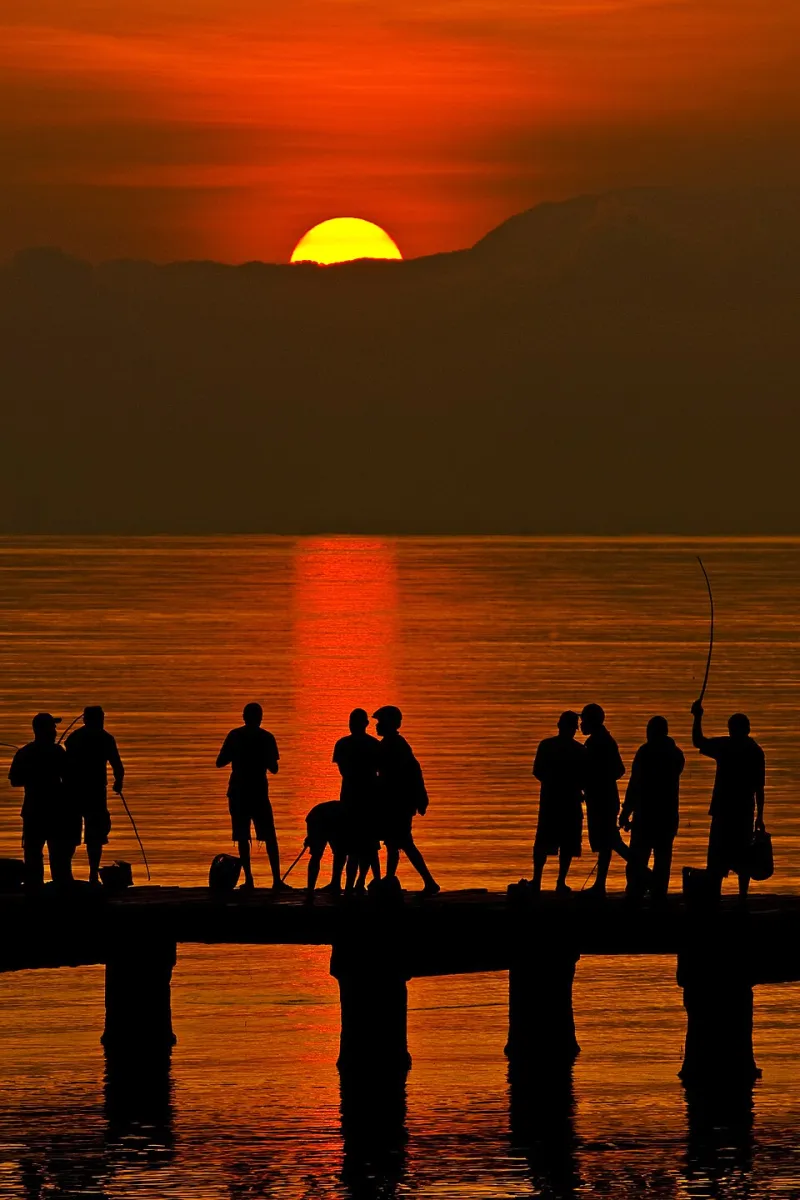
Photo: Tarotastic, CC BY 2.0, via Wikimedia Commons
On a bright Saturday morning in Bristol, a dozen people gather by the harbourside with paperbacks wedged into tote bags and trainers that look like they mean business. They set off at a pace best described as “amble”, follow the water for twenty minutes, pause by a bench, and start talking about a book. Then they walk again. Nobody has prepared a presentation. Nobody has tidied a living room. Nobody is trapped next to the one person who hated the ending.
This is the walking book club: part reading group, part gentle exercise, part low-pressure social club. In 2026, versions of it are appearing along canal towpaths in Leeds and Birmingham, on park loops in London and Glasgow, and on coastal paths where the wind does most of the talking. The format is simple enough to feel obvious in hindsight — read a bit, walk a bit, talk a bit — but it is quietly changing who feels welcome at a book group.
The Format: Less Seminar, More Stroll
Most walking book clubs follow a similar rhythm. A short loop, usually between one and three miles. A meeting point near public transport and a café. A book chosen a month ahead, or sometimes a loose theme: nature writing, short stories, local history, anything under 200 pages. The pace is deliberately easy. There is no Strava rivalry, no hill-training energy, no unspoken competition over who has read the most.
Some groups read the same book and discuss it at a halfway stop. Others ask everyone to bring whatever they are reading and recommend it in passing. Some pair a book with a place — a nature memoir on a canal path, a city history around the old docks — so the walk becomes a kind of moving annotation. Audiobooks count. Not finishing counts. Turning up having read only the blurb definitely counts.
The first ten minutes are often quiet. That is not a failure. It is the point. Arrivals settle, the path narrows, and conversation starts in pairs rather than a circle. By the time everyone stops for a breather, the group has already done the awkward bit without anyone noticing.
Why the Sitting-Room Group Puts People Off
Traditional book groups are lovely in theory. In practice, they can feel like homework with snacks. You have to finish the book. You have to have an opinion. You have to host, or at least sit in someone’s front room pretending you are not judging their sofa. The fixed evening can clash with work, caring duties or the simple desire not to go out after dark in January.
Walking book clubs remove some of that pressure by changing the geometry. Side by side is easier than face to face. You can listen for a while without feeling rude. You can pause to let a cyclist past, or admire a heron, and the silence has somewhere to go. If you want to leave early, you can just say you are turning back at the bridge. No one takes it personally.
The book also becomes an icebreaker rather than an exam. “I liked the middle section” is enough. “I gave up on page 40 but I’m glad I came” is enough. The walk gives the group something else to look at when the conversation dips, which means the conversation does not have to carry the whole event.
A Different Kind of Conversation
There is something about moving through a place that loosens talk. Groups report that discussion drifts in useful ways: from a chapter about grief to a local bakery, from a character’s commute to the bus route everyone hates, from a line about trees to the actual trees overhead. The book is the starting point, not the entire syllabus.
It also makes for a more even group. In a sitting room, the confident talker can dominate. On a towpath, the path has a natural order. People fall into twos and threes. Quieter members often say more because they are not being watched. The discussion becomes a series of small conversations rather than one big performance.
And because the route is the same each month, members start to notice things: the swans, the new bench, the scaffolding, the season changing. It is everyday discovery with a paperback in your hand — a very Lativio kind of afternoon.
The Social Bit Without the Small Talk
Walking book clubs are not fitness clubs with a reading problem. They are social clubs for people who like company but dread the opening ten minutes of a party. Phones stay in pockets because the path asks for attention. There is a shared purpose without a competitive edge.
They are especially appealing to freelancers, remote workers, new arrivals and anyone whose week is now conducted largely through a screen. You get fresh air, a gentle stretch and a conversation that does not begin with “so, what do you do?”. You also get recommendations — not just books, but cafés, exhibitions, short cuts and the best bench for a sandwich.
Good organisers think about access. Step-free routes, shorter loops, benches at regular intervals, a pub or café at the end. Some groups meet at libraries or indie bookshops and walk from there. Others are deliberately informal: a WhatsApp group, a monthly date, a route that does not change. The low-tech nature is part of the charm.
How to Start One Without Becoming a Tour Guide
If you fancy testing the idea, keep it small and unambitious. Pick a loop under three miles. Start and finish near a café. Choose a theme rather than a single book for the first meet-up, so nobody feels behind. Say the pace is gentle and mean it. Cap the group at a dozen. Have an indoor backup for truly grim weather. And set one golden rule: no spoilers beyond page 50.
The book club does not need to be a grand institution. It can be four people, a park and a shared copy of a short novel. It can be a monthly walk with no homework at all. The format is forgiving, which is exactly why it works.
In 2026, Britain seems to be looking for company that does not demand a performance. Walking book clubs offer something rare: structure without stiffness, conversation without a spotlight, and a reason to leave the house that involves both a story and a bit of fresh air. The book is the excuse. The path is the point.