After the Desk, Before the Pub: Britain’s Quiet 6pm Culture Slot
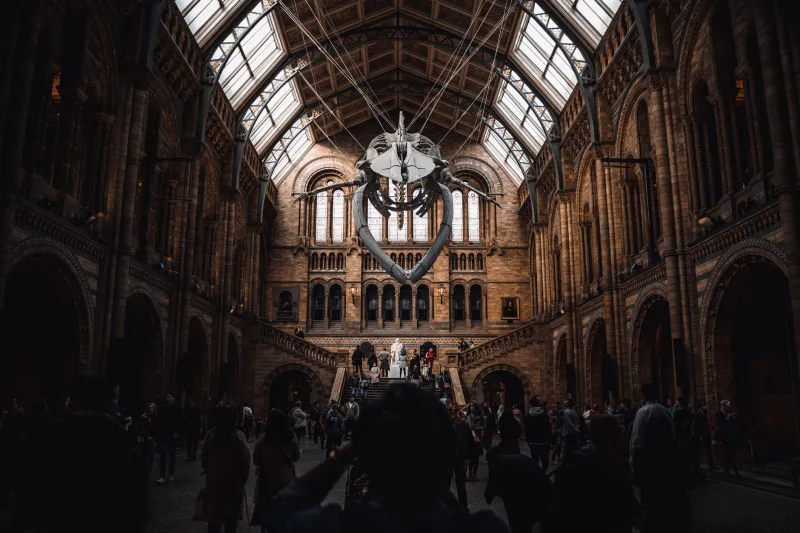
There is a particular kind of quiet that settles over a gallery at 6.05pm on a Thursday. The school groups have gone. The lunchtime crowd has drifted back to desks. The lights seem a little warmer, the rooms a little slower, and the person beside you is probably still carrying a tote bag with a laptop in it. This is the new cultural golden hour in Britain: not the grand weekend expedition, but the after-work visit.
In 2026, that slot is becoming a proper ritual. Venues from city centres to market towns are stretching their opening hours, programming smaller evening talks and leaning into the idea that culture does not need to consume a whole day. You can leave the office, see one exhibition, have a coffee or a glass of something, and still be home before the evening has properly begun. It is not anti-pub. It is simply another way to be out in the world — quieter, cheaper and a little more curious.
Why closing time became the new opening time
The shift has been building for a while. Museums and galleries have long experimented with late openings, but the mood around them has changed. Earlier late-night events often felt like parties with art in the background: loud music, crowded bars, a sense that the culture was the warm-up act. The current version is more restrained. It is about access, not spectacle.
Weekday evenings suit the way many people now live and work. If your week is a patchwork of commutes, caring responsibilities and unpredictable finishes, a Saturday blockbuster can feel like a logistical challenge. A 6pm slot is easier to slot in. It asks less of you. You do not need to pack a lunch, book a train or clear a whole afternoon. You just need to be nearby.
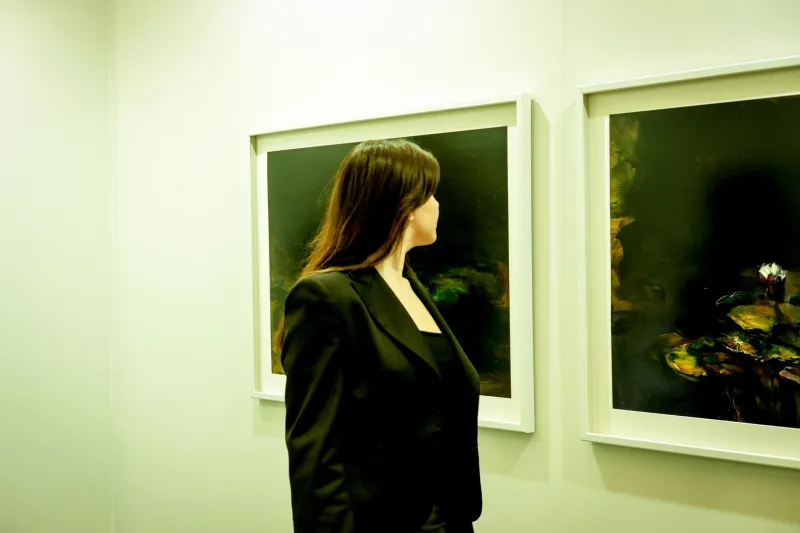
There is also something appealing about seeing art when you are slightly tired. The guard is down. You are not performing cultural diligence. You are more likely to sit in front of one painting for ten minutes, or read a label properly, or notice the way a room sounds when nobody is talking. The after-work visit rewards the low-effort, high-attention approach.
The etiquette of the after-work visit
A good 6pm visit is not a smaller version of a full-day museum trip. It is a different format altogether. The first rule is to check the details before you go. Last entry is not the same as closing time, and a 7.30pm last entry usually means exactly what it says. Tiny venues, volunteer-run spaces and independent galleries may have even firmer cut-offs. Arriving at 7.25pm for a 7.30pm last entry is not relaxed; it is rude.
Second, pick one thing. One exhibition, one room, one collection. The temptation with an evening visit is to try to justify the trip by seeing everything, which defeats the point. A single show is plenty. If you have 45 minutes, spend 30 of them looking and 15 of them sitting. If you have 75, add a drink afterwards. That is the whole plan.
Third, treat the space as a space, not a backdrop. Phone on silent, coat checked if there is a cloakroom, voices low. This is not about being precious. It is about the basic contract of a gallery: everyone is there to look, and looking is easier when nobody is conducting a speakerphone call beside a sculpture. If you want a loud catch-up, the pub is still excellent. It is just not in the next room.
Making one exhibition count
A useful trick is to choose a single work and give it three minutes. Not thirty seconds, not a photo, not a glance on the way to the exit. Three actual minutes. Most people will find this surprisingly hard at first, then surprisingly rewarding. You start to notice the brushwork, the frame, the label, the way the light falls on it. You start to have a reaction rather than a caption.
It also helps to read the room before you read the wall text. Look first, think second, read third. Exhibition designers build a narrative, but your own first impression is part of the experience. If a show has a handout, take it, but do not spend the whole visit with your head down. The best after-work visits leave you with one image stuck in your head, not a completed checklist.
And if you are going with someone, agree on a loose plan. Meet at the entrance, wander separately for half an hour, compare notes afterwards. Couples and friends do not need to move in a pack. The shared bit can be the drink or the walk to the bus stop. That is often where the interesting conversation happens anyway.
The new after-work ritual
The rise of the 6pm gallery says something about what people want from a night out now. Not everything needs to be an event. A cultural hour can be sociable without being loud, restorative without being solitary, and affordable without feeling like a compromise. It sits neatly between the working day and the evening, offering a small, structured dose of elsewhere.
Venues are responding because the demand is real. Late openings, quieter weekday slots, pay-what-you-can evenings and short talks are all part of the same move: making culture fit into ordinary life rather than asking ordinary life to fit around culture. In 2026, the best cultural habit in Britain may not be the big weekend show. It may be the 6pm visit — one room, one exhibition, one clear hour before the rest of the evening begins.