Lunch Hour, Curated: Britain’s Smartest Cultural Habit Is Getting Smaller
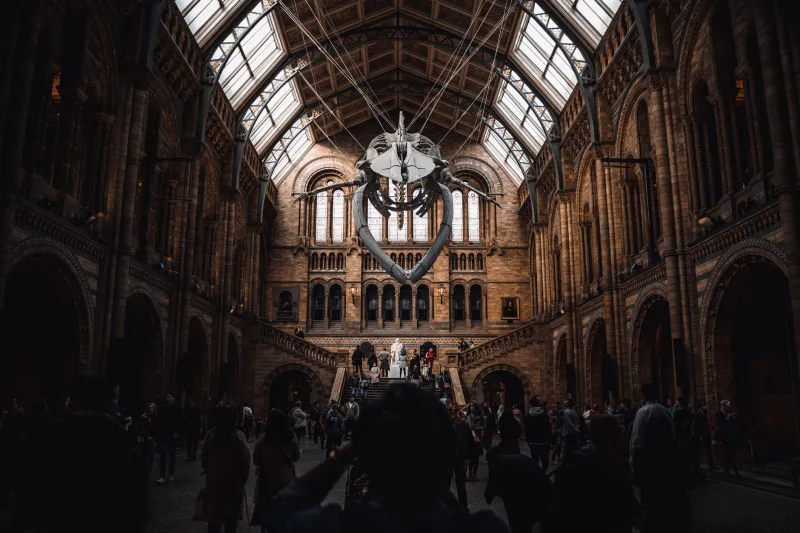
There is a particular kind of British cultural exhaustion that arrives on a Sunday evening. You have queued, you have shuffled past a blockbuster show with a timed ticket, you have paid £9 for a flat white and you have retained roughly one painting and the layout of the gift shop. It is not that big exhibitions are bad. It is that they ask for a whole afternoon, a train journey and a version of yourself with better shoes.
In 2026, the smarter cultural fix is smaller. It is the tiny gallery above a bookshop, the exhibition in a church crypt, the vitrine in a local library, the pop-up in an empty retail unit that has been lent to an arts collective for three weeks. It fits into a lunch break. It costs nothing or a donation. And it leaves you with the rare feeling that you have done something interesting without having to organise your entire life around it.
The lunch break is the new gallery slot
Micro-culture is not a new idea, but it has become a genuinely useful habit. The appeal is not just time — it is attention. A 45-minute show asks you to look properly at a handful of things rather than skim 200. You can arrive curious and leave before your eyes glaze over. There is no pressure to ‘make a day of it’, which is often code for spending money in a café you did not want to be in.
The lunch break also suits the way many UK city centres now work. If you are in the office two or three days a week, the hours between 12 and 2 are a small window of freedom. If you are working from home, a walk to a local gallery is a better reset than another scroll. Either way, the cultural hit is close, cheap and low-stakes. You are not competing with tourists. You are just popping out.
Where to look without downloading another app
The best micro-culture is often badly advertised, which is part of the charm. Start with the places you already walk past: libraries, town halls, cathedrals, universities, hospitals with long corridors, stations with empty units. Many have small exhibition spaces that never make it into the big listings. Church crypts are particularly good — cool, quiet, slightly odd, and often hosting a photography show or a local history display.
Use the internet like a local, not a tourist. Search for ‘exhibition’ plus your nearest postcode, then look at the third and fourth pages of results. Follow small galleries on Instagram rather than waiting for a newsletter. Check council ‘what’s on’ pages, which are usually chaotic but full of lunchtime talks and community shows. Ask a librarian. Librarians know everything, including which room above the library has a free print show until Friday.
The 45-minute rule
A good micro-visit has a shape. Pick one room, one object or one idea. Arrive with a question — why is this here, who made it, what is it doing in a crypt? Give yourself 25 minutes to look and 20 minutes to sit somewhere nearby and think about it. Do not read every label. Do not feel obliged to visit the gift shop. Do not turn it into a research project.
The rule is not about being efficient. It is about avoiding the fatigue that makes you forget what you saw. A single room, properly looked at, beats a whole wing you will never think about again. If the show is bigger, save the rest for another lunch break. The exhibition will still be there, and so will you.
Build a small circuit
One of the quiet pleasures of micro-culture is repetition. Find three venues within a 15-minute walk of your usual lunch spot and rotate them. A library, a church, a small commercial gallery. A museum lobby, a university corridor, a pop-up in a shopping centre. Over a few months, you will start to notice things: who curates with care, which shows are just somebody’s hobby, where the lighting is good, where the volunteer is happy to talk.
This is everyday discovery rather than cultural box-ticking. You are not trying to ‘keep up’. You are building a relationship with the place you live, one lunch hour at a time. In London, that might mean a crypt in the City and a tiny space off a side street in Soho. In Manchester, Glasgow, Cardiff, Leeds or Bristol, it might mean a library vitrine, a church hall or a gallery above a shop. The geography changes; the rhythm does not.
The point is curiosity, not credentials
The lunchtime cultural hit is not about becoming the sort of person who can name three contemporary ceramicists. It is about giving your brain something other than email. A short show can be strange, imperfect and slightly confusing. That is fine. You are not there to review it. You are there to look.
So next time you have a free hour, resist the urge to fill it with errands. Find the nearest small thing. Check the opening times, because they will be weird. Walk in, look at one thing properly, and leave. The whole point is that it fits into your day rather than taking it over. Britain’s best cultural fix is not bigger. It is closer, shorter and quietly waiting for you at 12.30.