The Chair You Keep: How One Good Seat Became Britain’s Quietest Status Symbol
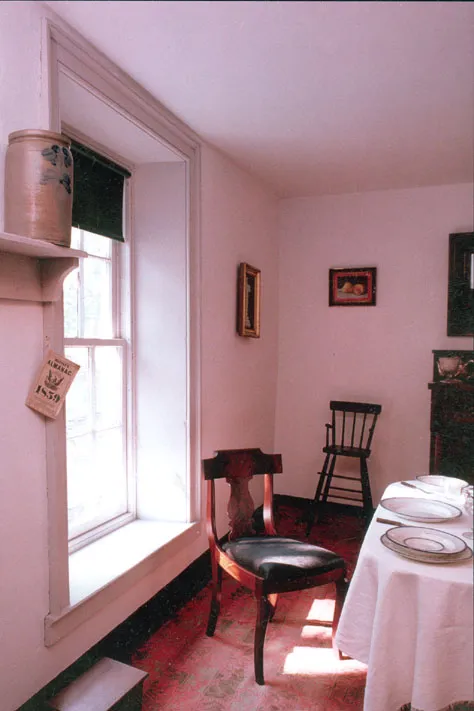
Photo: Mike Wiltshire, Public domain, via Wikimedia Commons
The status symbol used to be obvious. A car on the drive, a kitchen extension, a label on a bag. In 2026, the more interesting signal is the chair you have chosen to keep. Not the most expensive one, necessarily. Not the one from a design fair. The one that has been repaired, inherited, found on a resale site or rescued from a house clearance and quietly given a second life.
This is not a story about luxury. It is a story about what happens when a culture gets tired of replacing things. Fast furniture has had a good run — cheap, flat-packed, delivered by Tuesday. But it does not survive a move, let alone a decade. It wobbles. It sheds veneer. It ends up on the pavement with a note that says ‘free, needs a clean’. The good chair is the opposite: a small, useful commitment.
The end of the disposable room
For years, the British home was encouraged to be a revolving door. Renting meant magnolia walls and temporary furniture. Buying meant filling rooms quickly. Social media rewarded the reveal, not the repair. But something has shifted. Resale culture has become mainstream and unembarrassed. eBay, Vinted, Facebook Marketplace and local auction houses are full of people buying and selling the same mid-century teak sideboard for the third time. Repair cafés are no longer niche. Reupholstery is discussed like a sensible investment rather than a hobby for people with a barn.
The chair sits at the centre of this because it is the most personal piece of furniture in the house. You do not just look at it. You sit in it. You eat in it, read in it, argue in it, put clothes on it. It has to work. That makes it a better test of taste than a vase or a print. A good chair says you have thought about your body, your room and your actual life — not just the version of your life you saw in a catalogue.
What a good chair actually says
It says you have stopped auditioning. A good chair is not trying to impress a hypothetical guest. It is there because it is comfortable, because it fits, because it has a story or because it was the only thing in the charity shop that did not look like it hated you. It can be a £20 Ercol found at a car boot. It can be a repaired office chair with a new gas lift. It can be a Parker Knoll inherited from a grandparent, re-covered in a fabric that does not make you think of 1987.
The quiet status is not in the brand. It is in the evidence of care. A visible mend, a replaced joint, a cushion that has been recovered rather than binned. These are small signs that you are living with intention, or at least trying to. In a rental flat with a landlord’s grey carpet, one good chair can be a tiny act of defiance. It says: this is my home, even if it is not my building.
Renters and the furniture you can take with you
Rental insecurity has changed the way people think about furniture. If you might move in 12 months, you do not want to build a wardrobe into a wall. You want things that can be carried, that survive a van, that do not need a drill. A good chair fits that brief perfectly. It is portable, useful and emotionally load-bearing without being permanent.
That is why the chair has become a quiet symbol for a generation that has been told it cannot afford to settle. You cannot always buy a house. You can buy a chair that will come with you. You can inherit one. You can find one on a street corner and carry it home. It is a small piece of stability in a housing market that offers very little.
Repair is the new flex
There is a particular satisfaction in repairing something that was designed to be repaired. A wooden frame can be re-glued. A seat can be re-webbed. A cushion can be re-covered. A joint can be tightened. This is not nostalgia for a lost Britain of make-do-and-mend. It is practical. It is also increasingly visible: the repair café on a Saturday morning, the upholsterer with a three-month waiting list, the YouTube tutorial that saves a chair from the tip.
British heritage brands — Ercol, G Plan, Parker Knoll — have benefited from this mood, but the good chair is not limited to mid-century names. The principle is simpler: solid joints, a comfortable seat, a shape that works in your room. You do not need a certificate of authenticity. You need to sit in it and know.
How to choose one without turning it into a personality
Sit in it for longer than feels polite. Check the joints, not just the fabric. Look for solid wood, not chipboard with a veneer. Measure your room before you fall in love. Budget for reupholstery if the frame is good and the fabric is not. Ignore the word ‘vintage’ when it is being used to add £200 to a chair that smells of damp.
The best chair is rarely the most expensive one in the shop. It is the one you will still want to sit in when the novelty has worn off. That is the quiet satisfaction of buying less but choosing better. It is not about money. It is about attention.
In 2026, the good chair is a small rebellion against the disposable room. It is a piece of furniture that says you are here, you are sitting down, and you are not planning to replace yourself any time soon.