The Five-Minute Wander: Why Britain Is Falling for the Long Route Home
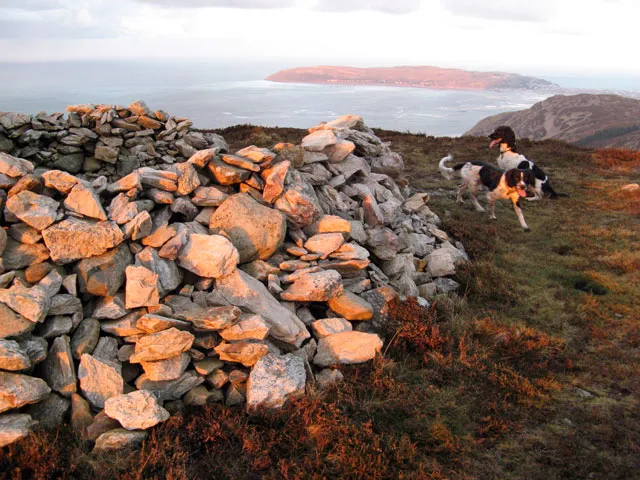
Photo: Jonathan Wilkins, CC BY-SA 2.0, via Wikimedia Commons
The walk home is usually the least considered part of the day. We do it on autopilot: same exit from the station, same crossing, same stretch of pavement, same key in the door. But in 2026, a small counter-movement is taking shape. People are adding five minutes to the journey on purpose. Not a full weekend hike, not a planned cultural outing — just one extra street, a different bus stop, a deliberate detour before the kettle goes on.
The case for taking the long way
After a few years of treating weekends like small festivals — booked, ticketed and tightly scheduled — the appeal of a low-stakes wander has grown. A deliberate detour is not about seeing more. It is about seeing what is already there. It turns the gap between work and home into a little pocket of discovery, without the pressure of a plan.
This is not a grand trend with a launch date. It is quieter than that. It looks like getting off the bus one stop early because the light is good. It looks like turning left instead of right because you have never noticed the churchyard on that corner. It looks like walking past the back of the retail park, where the town reveals its scruffier, more interesting edges.
The appeal is partly practical. A detour costs nothing, needs no booking and fits into an ordinary Tuesday. But it is also a reaction against the over-curated weekend. When every free hour is optimised, a five-minute wander feels almost rebellious. It is time with no deliverable.
Why it works now
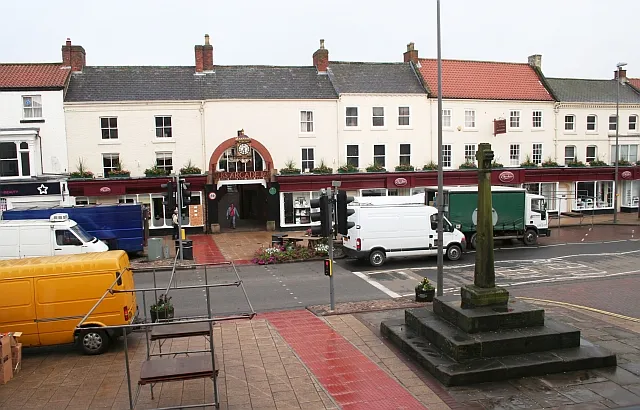
British towns and cities are full of small details that reward slow looking: a ghost sign above a chicken shop, a tiled doorway, a hand-painted house number, a bench with a plaque to someone long gone. We pass them every day and see none of them. A detour gives you permission to notice.
There is also something gently sociable about it. You might bump into a neighbour, discover a new bakery counter, or find that the park you thought was locked after five is actually open until dusk. The long way home is not anti-social; it is just social on a smaller, less arranged scale.
And in a year when many of us are trying to spend less and do more with what is nearby, the detour is a smart antidote to the big-night-out mindset. It does not require a ticket, a train or a reservation. It requires a pair of comfortable shoes and a willingness to be mildly inefficient.
What to notice when you go
Start with the built environment. Look up: chimneys, rooflines, old shop signs, the strange little windows above a parade of shops. Look down: patterned tiles, drain covers, the way a curb has been repaired a dozen times. Look behind you: the view you never see because you are always facing forward.
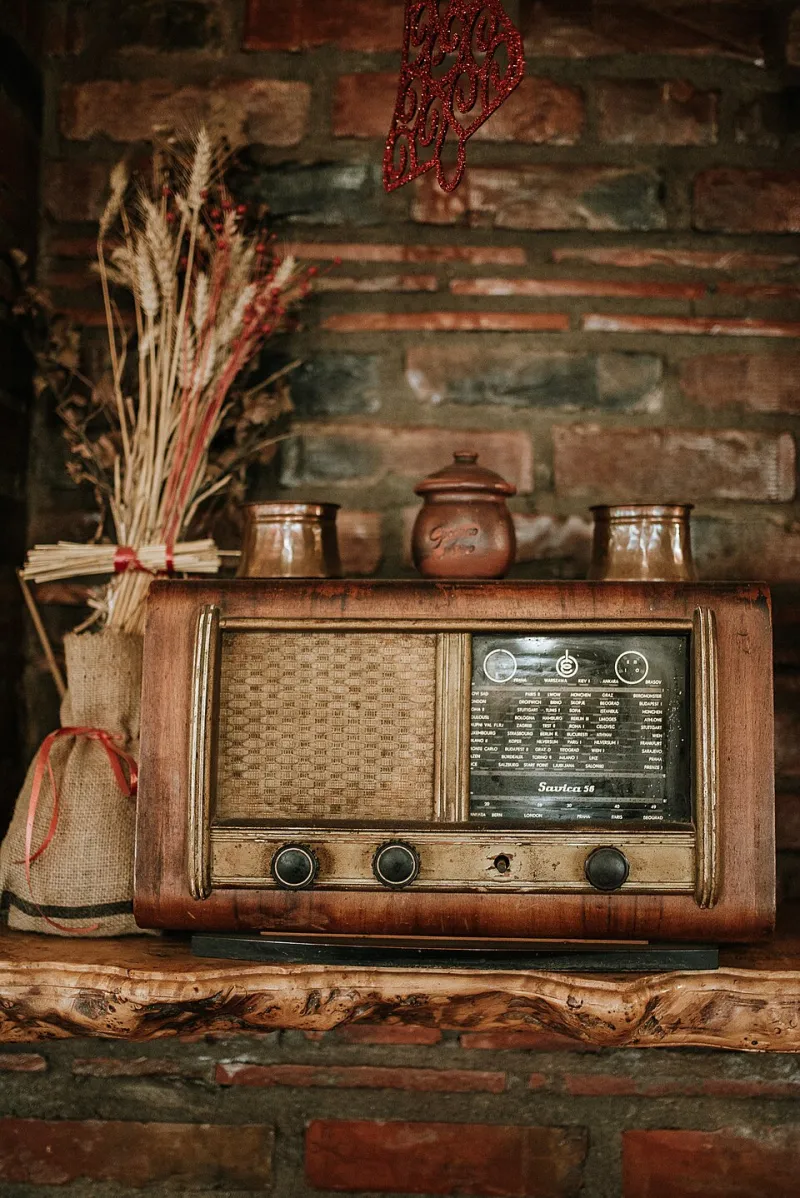
Then listen. A detour is as much about sound as sight — the clatter of a cafés closing, a bus idling, a snippet of radio from an open window, the particular quiet of a side street at 6pm. Smell matters too. Bread, rain on warm pavement, the sharp green of a cut hedge. These are the details that make a place feel like somewhere, rather than just a route.
Not every detour has to be scenic. Some are just different. The point is to break the autopilot loop and let the ordinary city show you something you did not expect.
Three prompts for a better detour
-
Get off one stop early. Choose the stop before your usual one, or the one after, and walk the difference. It is a small enough change to feel easy, and big enough to reset your eye.
-
Follow one building. Pick a building you have never really looked at — a library, a church, a civic hall, a strange little office block — and walk a loop around it. Notice the back entrance, the bins, the extension, the plaque. Buildings are much stranger up close.
-
Take the street you always ignore. Every neighbourhood has a road that feels like a shortcut for other people. Walk it once, slowly, without a destination. You do not have to do it again. You just have to do it once.
The small return
The best thing about the five-minute wander is that it ends. You are not trying to turn every evening into an adventure. You are simply adding a little texture to the bit of the day that usually disappears. Then you go home, put the kettle on and carry on with your life — a bit more awake than you were an hour ago.
In 2026, that might be the most stylish habit of all: not going further, but going a different way.